The Dark Side of Fast Fashion and Its Impact on the Environment

Fast fashion has transformed the way people shop for clothes. It offers trendy, affordable pieces that change with the seasons, making it easy to update wardrobes frequently. But behind the low prices and quick turnarounds lies a troubling reality. The fast fashion industry causes serious harm to the environment, and understanding this impact is crucial for anyone who cares about sustainability and the planet’s future.
How Fast Fashion Works and Why It’s Harmful
Fast fashion brands produce large volumes of clothing at a rapid pace. They rely on cheap materials and labor to keep costs low, encouraging consumers to buy more and replace items quickly. This business model creates a cycle of overconsumption and waste.
Environmental Costs of Production
The production of fast fashion garments uses vast amounts of water, energy, and chemicals. For example:
Water usage: It takes about 2,700 liters of water to make one cotton shirt, enough for one person’s drinking needs for two and a half years.
Chemical pollution: Textile dyeing is the second largest polluter of clean water globally. Toxic chemicals often end up in rivers, harming aquatic life and local communities.
Carbon emissions: The fashion industry produces nearly 10% of global carbon emissions, more than international flights and shipping combined.
These figures show how fast fashion strains natural resources and contributes to climate change.
Waste and Pollution from Clothing Disposal
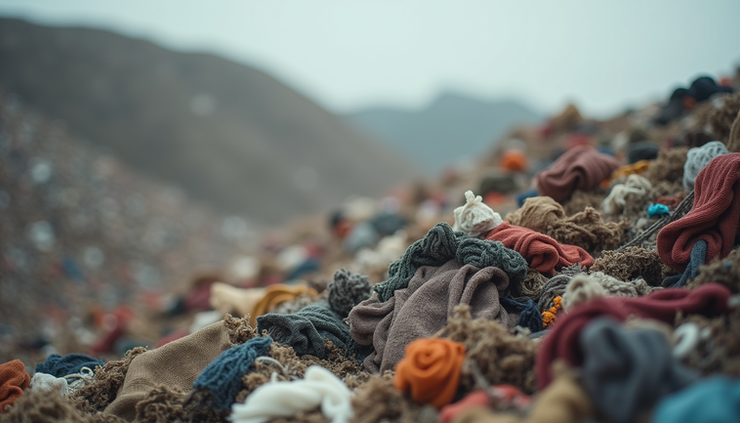
Fast fashion encourages buying cheap clothes that wear out quickly or go out of style fast. This leads to enormous amounts of textile waste. Globally, about 92 million tons of textile waste are generated each year. Most of it ends up in landfills or is incinerated, releasing harmful gases and toxins.
Microplastics and Ocean Pollution
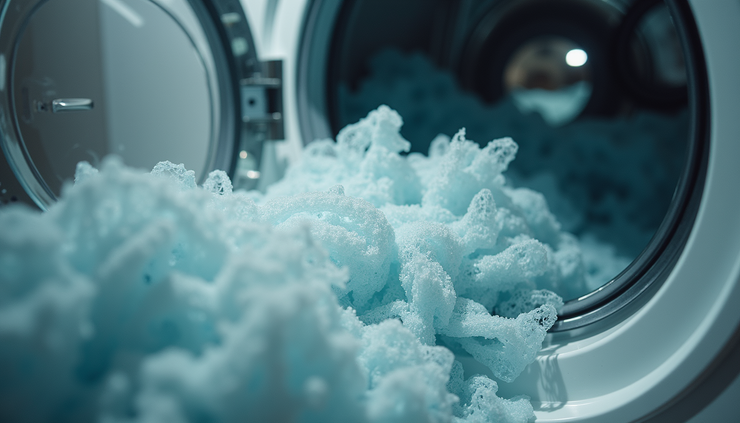
Many fast fashion items contain synthetic fibers like polyester. When washed, these fibers shed tiny plastic particles called microplastics. These microplastics enter waterways and oceans, where they harm marine animals and enter the food chain.
Social and Ethical Concerns Linked to Fast Fashion
The environmental damage is only part of the problem. Fast fashion often depends on low-paid workers in unsafe conditions. Factories in developing countries may ignore labor rights to meet tight deadlines and low prices. This creates a cycle of exploitation that affects millions of people.
What Can Consumers Do to Reduce the Impact?
Changing fast fashion’s impact requires action from both brands and consumers. Here are practical steps shoppers can take:
Buy less and choose quality: Invest in durable clothing that lasts longer instead of cheap, disposable items.
Support sustainable brands: Look for companies that use eco-friendly materials and ethical labor practices.
Secondhand shopping: Thrift stores and online resale platforms extend the life of clothes and reduce waste.
Care for clothes properly: Washing clothes less often and using cold water reduces fiber shedding and energy use.
Recycle and donate: Instead of throwing clothes away, find ways to recycle or donate them to reduce landfill waste.

The Bigger Picture: Moving Toward Sustainable Fashion
The fast fashion industry’s environmental impact is a warning sign. It shows how consumer habits and production methods need to change. Governments, brands, and consumers must work together to build a fashion system that respects the planet and people.



Comments